

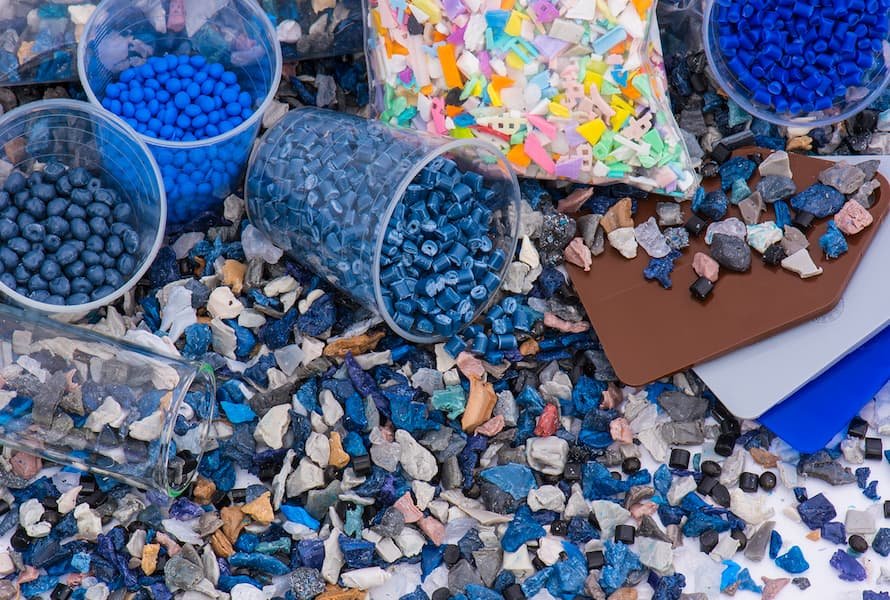
Polyethylene Terephthalate (PET) is a versatile and widely used polymer, particularly valued for its clarity, strength, and recyclability. It is commonly found in beverage bottles, food packaging, containers, and industrial applications. With increasing environmental concerns and the need for sustainable manufacturing, Recycle PEThas become a key solution for improving resource efficiency. Recovering high-grade PET bottles and flakes ensures that materials are reused effectively, supporting both environmental sustainability and industrial productivity.
The Importance of PET Recycling
Recycling PET addresses significant environmental and economic challenges. Improper disposal of PET waste contributes to landfill accumulation, environmental pollution, and increased carbon emissions. Recycling PET allows industries to recover valuable materials, reduce reliance on virgin plastics, and conserve natural resources. High-grade PET flakes and recovered bottles can be reintegrated into production processes, providing materials that maintain the quality and performance of new products. By enabling a circular approach to plastic usage, PET recycling contributes to long-term environmental sustainability and operational efficiency.
Collection and Sorting of PET Materials
The recycling process begins with the collection of post-consumer and post-industrial PET materials. This includes used bottles, containers, and other PET-based products. Proper sorting is essential to ensure high-quality recovered material. Advanced sorting methods, such as automated optical sorting and manual inspection, are used to separate PET from other plastics and contaminants. Effective sorting ensures that only clean, high-grade PET enters the recycling stream, which is crucial for producing flakes and materials suitable for industrial and packaging applications.
Processing High-Grade PET Bottles and Flakes
Once collected and sorted, PET materials undergo thorough cleaning to remove labels, adhesives, residues, and other impurities. The cleaned bottles and containers are then shredded into flakes. These flakes may be further processed through washing, drying, and extrusion to produce uniform, high-quality recycled PET (rPET). The processing methods are designed to maintain the polymer’s clarity, strength, and thermal stability. High-grade rPET flakes can then be used to manufacture new bottles, containers, films, fibers, and other industrial products, ensuring that recycled material meets performance standards comparable to virgin PET.
Applications of Recycled PET
High-grade PET flakes and recovered bottles have diverse applications across multiple industries. In packaging, rPET is used to produce clear beverage bottles, food containers, and cosmetic packaging, maintaining product safety, durability, and visual appeal. Industrially, rPET is used in fibers for textiles, sheets, films, and thermoformed components. Recycled PET is also employed in the production of non-food containers, strapping materials, and other durable goods. By using high-quality recycled material, manufacturers can reduce environmental impact while maintaining product performance and operational efficiency.
Economic and Environmental Benefits
Recycling PET offers both financial and environmental advantages. Economically, using recovered PET reduces raw material costs, supports cost-effective production, and integrates seamlessly into existing manufacturing equipment. Environmentally, it minimizes landfill contributions, conserves petroleum-based resources, and reduces energy consumption and greenhouse gas emissions. High-grade PET flakes and recovered bottles ensure that these benefits are realized without compromising material quality or performance. Incorporating recycled PET into production also aligns with corporate sustainability goals and regulatory requirements.
Challenges and Opportunities
Challenges in PET recycling include contamination, variability in material quality, and maintaining clarity in recycled products. Advances in sorting, cleaning, and extrusion technologies are addressing these issues, producing consistent and reliable high-grade PET. Growing environmental awareness, consumer demand for sustainable packaging, and regulatory support for plastic recycling create opportunities for expanded adoption of recycled PET. Businesses that invest in quality recovery systems can achieve cost savings, reduce environmental impact, and improve their sustainability profile.
Conclusion
Recycling PET with a focus on high-grade recovered bottles and flakes enhances sustainability across industries. Efficient collection, sorting, and processing ensure that recycled PET retains clarity, strength, and versatility for industrial and packaging applications. Using high-quality recycled material reduces reliance on virgin plastics, lowers environmental impact, and supports cost-effective manufacturing. By integrating recycled PET into production, businesses can promote circular economy practices, resource efficiency, and sustainable operations while maintaining strong product performance.